

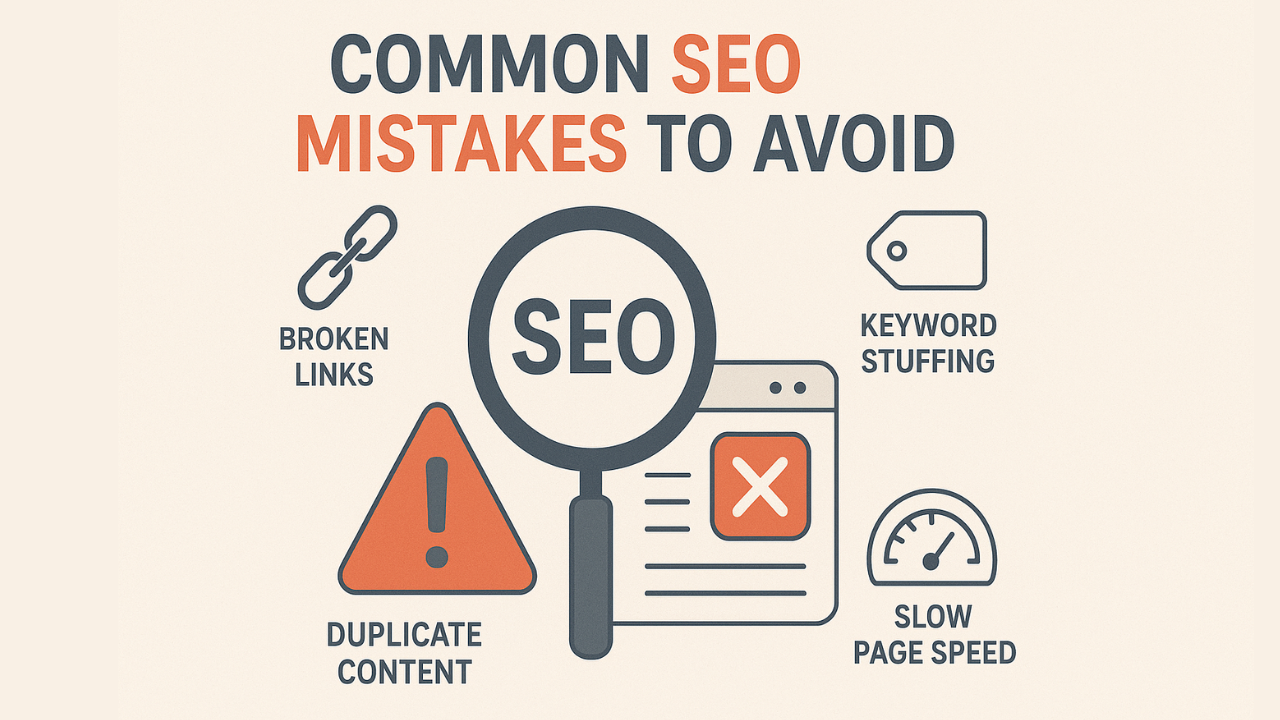
Search Engine Optimization (SEO) is no longer optional; it is a fundamental part of digital marketing. Businesses that neglect SEO often miss out on valuable organic traffic, leads, and sales opportunities. Getting SEO right means your website ranks higher in search engine results pages (SERPs), making it more visible to potential customers actively searching for products or services like yours.
The benefits of effective SEO include increased website traffic, enhanced credibility and brand awareness, higher engagement, and improved conversion rates. Unlike paid ads that stop generating leads once your budget runs out, SEO provides long-term sustainable growth.
Moreover, search engines like Google are constantly updating their algorithms. Websites that follow SEO best practices are more likely to adapt to these changes, while sites that ignore SEO may quickly lose visibility. Proper SEO also ensures your website is user-friendly, loads quickly, is mobile-optimized, and offers a great user experience—all factors that indirectly impact your rankings and conversions.
In short, SEO is a combination of art and science, requiring strategic planning, research, and ongoing optimization. Failing to get SEO right can mean losing out to competitors who are consistently improving their sites, making it critical for any business looking to thrive online.
Creating Content Only for Search Engines
Producing content only for search engine algorithms rather than for human readers is one of the most frequent blunders made by organizations. Long-term success is unlikely for content that lacks value or engagement, even while it is crucial to optimize it for keywords and technical SEO aspects.
Why This is a Problem
Low User Engagement: Visitors will rapidly abandon your website if the material is unreadable, uninteresting, or irrelevant, which will raise your bounce rate.
Algorithm Penalties: User intent is given priority by search engines such as Google. Rankings may be lowered for content that is keyword-rich but of poor quality.
Brand Damage: Poor material is easily identifiable by readers, which can damage your credibility and reputation.
How to Avoid This Mistake
- Focus on User Intent: Recognize what your audience is looking for and produce content that directly addresses their queries.
- Balance Keywords Naturally: Don’t overstuff your primary and secondary keywords; instead, use them naturally.
- Engage Your Readers: To make text legible and interesting, use headings, bullet points, pictures, and examples.
- Provide Value: Instead of providing general knowledge, offer practical advice, insights, or solutions.
By creating content for humans first and optimizing for search engines second, your website will rank better and keep visitors coming back.
Using the Wrong Keywords
Keyword research is the foundation of SEO. Using the wrong keywords, whether they are too broad, too competitive, or irrelevant, can drastically reduce the effectiveness of your SEO strategy.
- Low Conversion Rate: Even if you rank for a keyword, if it doesn’t match your target audience’s intent, it won’t convert.
- Wasted Effort: Time and resources spent optimizing for irrelevant keywords are wasted.
- Missed Opportunities: Focusing on the wrong keywords means missing out on valuable searches that could drive traffic and leads.
How to Avoid This Mistake
- Conduct Comprehensive Keyword Research: Use tools like Google Keyword Planner, Ahrefs, or SEMrush to find high-intent keywords relevant to your niche.
- Focus on Long-Tail Keywords: These are specific phrases that often indicate a stronger intent to purchase or engage. They are less competitive and easier to rank for.
- Analyze Competitors: See which keywords competitors rank for and identify gaps or opportunities.
- Match Keywords with Content Intent: Make sure the keywords align with the type of content you’re creating (informational, transactional, or navigational).
Building Low-Quality or Irrelevant Backlinks
Backlinks remain one of the most important ranking factors in SEO. However, not all backlinks are beneficial. Building links from irrelevant, spammy, or low-authority websites can harm your site’s credibility.
- Google Penalties: Poor-quality backlinks can trigger algorithmic penalties, leading to lower rankings.
- Loss of Credibility: Linking to or being linked from low-quality sites can damage your reputation.
- Wasted Effort: Building backlinks without strategy doesn’t improve your SEO or drive meaningful traffic.
How to Avoid This Mistake
- Focus on Quality over Quantity: Aim for backlinks from authoritative, relevant websites in your niche.
- Guest Blogging Strategically: Write guest posts for reputable websites to gain valuable backlinks.
- Use Broken Link Building: Identify broken links on high-authority sites and suggest your content as a replacement.
- Avoid Link Farms and Paid Links: Google can easily detect manipulative link-building tactics, which can lead to penalties.
- Avoid Link Farms and Paid Links: Google can easily detect manipulative link-building tactics, which can lead to penalties.
Ignoring Technical SEO Essentials
Even if your content is top-notch, neglecting technical SEO can limit your site’s potential. Technical SEO ensures that search engines can crawl, index, and understand your website efficiently.
- Poor Crawlability: Search engines may struggle to index pages correctly, reducing visibility.
- Slow Page Load: Websites with poor speed experience higher bounce rates and lower rankings.
- Mobile Issues: Sites not optimized for mobile devices lose traffic, as most searches occur on mobile today.
- Security Concerns: Unsecured websites (HTTP instead of HTTPS) may be penalized by search engines.
How to Avoid This Mistake
- Optimize Site Speed: Compress images, enable caching, and use a reliable hosting service.
- Ensure Mobile-Friendliness: Use responsive design to provide a seamless mobile experience.
- Fix Crawl Errors: Monitor Google Search Console for errors and fix broken links, redirects, or missing pages.
- Implement Structured Data: Schema markup helps search engines understand your content better and improves rich results.
- Secure Your Website: Use HTTPS to protect user data and improve trust.
Thinking SEO is a One-Time Task
Many businesses make the mistake of treating SEO as a set-it-and-forget-it strategy. In reality, SEO is an ongoing process that requires monitoring, updating, and optimization over time.
- Competitors Will Overtake You: SEO is competitive, and neglecting it allows others to surpass your rankings.
- Algorithm Updates Can Hurt Rankings: Google updates its algorithms frequently, which can impact your site’s visibility if you don’t adapt.
- Content Can Become Outdated: Stale content may lose relevance and fail to engage readers, reducing rankings.
How to Avoid This Mistake
- Monitor Performance: Use tools like Google Analytics and Search Console to track traffic, rankings, and engagement.
- Update and Refresh Content: Regularly update old blog posts, pages, and product descriptions.
- Stay Updated with SEO Trends: Follow SEO blogs, forums, and industry updates to adjust your strategies.
- Continuously Build Quality Links: Maintain a steady backlink strategy to strengthen your domain authority.
Treating SEO as a continuous process ensures your website maintains high rankings and remains competitive over time.
Final Thoughts on Avoiding SEO Mistakes
SEO mistakes are common, but they are preventable with awareness, strategy, and ongoing effort. By focusing on user-first content, strategic keywords, quality backlinks, technical SEO, and continuous optimization, your website can achieve long-term success.
Remember: SEO is not just about rankings; it’s about creating a valuable, user-friendly experience that builds trust, engagement, and conversions. Avoiding these common mistakes will help you maximize your digital presence, attract qualified traffic, and stay ahead of competitors.
Start by auditing your current SEO, identifying gaps, and implementing improvements gradually. Over time, these efforts compound, leading to stronger visibility, higher engagement, and sustainable growth for your business.
Frequently Asked Questions
1. What are the most common SEO mistakes businesses make?
Some of the most common SEO mistakes include using the wrong keywords, creating content only for search engines instead of users, building poor-quality backlinks, ignoring technical SEO, and treating SEO as a one-time activity instead of a continuous process.
2. Why is SEO important for my website?
SEO helps your website appear higher in search results, increases organic traffic, builds credibility, improves user experience, and drives long-term business growth without relying solely on paid ads.
3. How can I choose the right keywords for SEO?
Use keyword research tools, study search intent, analyze competitors, and focus on long-tail keywords that match what your audience is actively searching for. Choose keywords based on relevance, search volume, and competition level.
4. What happens if I use low-quality or irrelevant backlinks?
Low-quality backlinks can harm your website’s authority, reduce trust, and even lead to Google penalties. It’s always better to focus on earning backlinks from relevant, high-authority websites in your industry.
5. What is technical SEO, and why does it matter?
Technical SEO ensures search engines can crawl, index, and understand your website. It includes site speed, mobile optimization, URL structure, security (HTTPS), structured data, and fixing crawl errors. Without technical SEO, even great content may fail to rank.
6. How often should I update my SEO strategy?
SEO should be updated regularly. Monitor performance monthly, refresh old content every few months, and adjust your strategy whenever search engine algorithms change or your business goals evolve.

Comments are closed