

The world of marketing never stands still. New trends emerge, consumer behavior shifts, and strategies that once produced great results often lose their effectiveness over time. Because of this constant evolution, businesses must continuously adapt and explore smarter, more innovative methods to stay ahead.
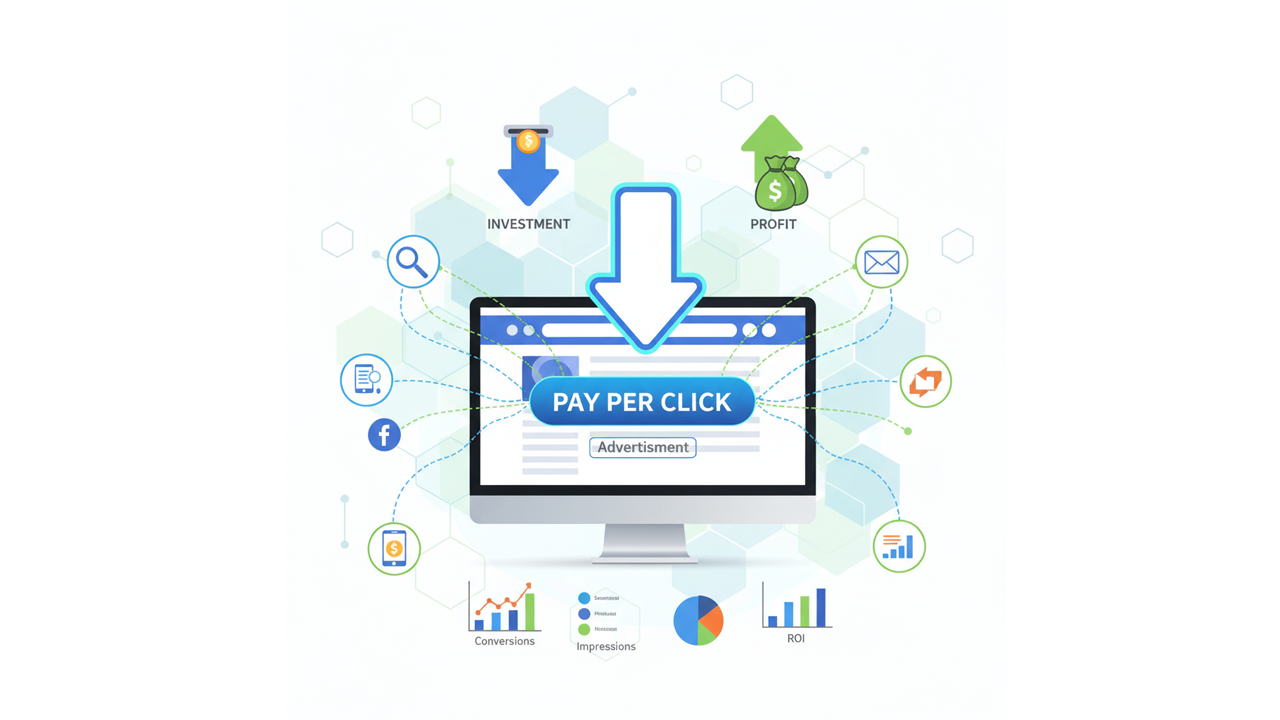
Among all modern marketing methods, Pay-Per-Click (PPC) advertising has become one of the most powerful and reliable strategies. PPC allows you to display your ads online and pay only when someone actually clicks on them — meaning your budget is spent on real interest, not just impressions.
PPC can deliver impressive results, but like any marketing channel, it works best when you fully understand its structure and purpose. Before investing in campaigns, it’s essential to know how PPC functions, what makes it successful, and how you can use it to your advantage.
Here’s an interesting insight: only about 45% of businesses actively use PPC advertising, while the rest either misunderstand it or find it too complex. This means many companies are missing out on a massive opportunity to reach their customers online — and in a digital-first world, visibility is everything.
The ultimate goal of any PPC campaign is simple: generate leads, drive sales, or achieve both. But to accomplish that, your ads must be highly relevant, targeted, and compelling enough to capture your audience’s attention the moment they appear.
PPC, or pay-per-click advertising, is a digital marketing model where businesses pay only when someone clicks on their ad. Instead of paying a fixed amount upfront, advertisers bid on keywords that their target audience is likely to search for. The higher and smarter the bid, the better the chances of the ad appearing at the top of search results.
A well-planned PPC strategy helps businesses reach the right people at the right time. By showing ads that match a user’s search intent, the likelihood of getting clicks—and ultimately conversions—significantly increases.
PPC is known for delivering quick, measurable results. It’s one of the fastest ways to drive traffic, generate leads, and boost sales. Research even suggests that PPC can be up to five times more effective than traditional advertising channels like newspaper ads or TV commercials. This makes it a powerful tool for businesses wanting immediate visibility and growth.
What Is PPC Strategy?
A PPC (Pay-Per-Click) strategy is a well-planned approach that helps businesses use paid online advertising to attract the right audience, boost visibility, and generate measurable results such as clicks, leads, or sales. In a PPC model, advertisers are charged only when someone clicks on their ad, making it one of the most accountable and cost-efficient advertising methods available today.
A strong PPC strategy focuses on several core elements: selecting high-intent keywords, crafting compelling ad copy, designing relevant landing pages, and analyzing performance data to continuously improve results. Every campaign works through a bidding system—meaning the amount you bid and the quality of your ads together determine how prominently your ad appears on search engines or digital platforms.
Ultimately, an effective PPC strategy ensures that your ads reach users who are actively searching for your products or services, increasing your chances of converting traffic into revenue while maximizing your return on investment.
How Does PPC Advertising Work?
PPC advertising runs on a real-time auction system where businesses bid on keywords they want their ads to appear for. When someone searches for one of these keywords, the search engine instantly evaluates all the bids and determines which ads to show and in what order.
The ads are then displayed on the search engine results page (SERP) based on factors like bid amount and ad relevance. The ad at the top of the page is called the first-position ad, while the one shown last is the last-position ad.
Ad placement plays a crucial role in performance. The higher your ad appears on the SERP, the more visibility it gets—resulting in a higher click-through rate (CTR). In simple terms, top-position ads attract more user attention and are more likely to be clicked.
PPC Terms and Definitions
To understand how PPC marketing works, it’s important to know the key terms advertisers use. Below are the essential PPC concepts explained clearly.
CPC (Cost Per Click)
This is the amount you pay every time a user clicks on your ad. You are charged only when someone actually engages by clicking.
CPM (Cost Per Mille)
CPM represents the cost you pay for 1,000 ad impressions. It is used when you want to increase visibility rather than clicks.
CTR (Click-Through Rate)
CTR shows the percentage of users who click on your ad after seeing it. A higher CTR indicates strong ad relevance and performance.
PPC Platform
A PPC platform is the tool or software you use to run and manage your campaigns. Examples include Google Ads and Bing Ads.
Keyword
Keywords are the words or phrases that users search for. When these match your targeting, your ad becomes eligible to appear.
Bid
Your bid is the maximum amount you’re willing to pay for a click or impression. Bids help determine your ad’s position.
Ad Group
An ad group contains a set of related keywords and ads. It helps organize your campaign and ensure your ads target specific themes.
Ad Rotation
Ad rotation is the process of showing different versions of your ads to users. It helps identify which ad performs best.
Ad Extensions
Ad extensions are extra details added to your ads, such as:
- Phone number
- Location
- Additional links
These increase visibility and improve click-through rates.
Quality Score
Quality Score is a rating given by Google based on your ad relevance, expected CTR, and landing page experience. A higher score often reduces cost and improves ad placement.
Best PPC Advertising Platforms
Many beginners assume PPC advertising is limited to Google, but several platforms offer powerful pay-per-click opportunities. Below are the top three PPC platforms every marketer should know.
1. Google Ads
Google Ads is the most widely used PPC platform, trusted by businesses of all sizes due to its powerful features and massive global reach.
Google processes more than 90,000 searches every second, giving your ads unmatched exposure. With options like demographic targeting, remarketing, and multiple ad formats, you can reach your ideal audience with precision.
- Advanced ad extensions
- Quality Score system
- Laser-focused audience targeting
- Massive global user base
2. Bing Ads (Microsoft Advertising)
Microsoft Advertising, commonly known as Bing Ads, operates in more than 30 countries and offers similar tools and features as Google Ads.
Bing Ads reach around 63 million unique searchers in the U.S. who may not be using Google. Many advertisers find lower competition and higher average CTRs compared to Google Ads.
- Mobile-specific targeting
- Competitive CPC rates
- Strong visibility among desktop users
- Ad extensions and quality scoring system
3. Facebook Ads
Facebook Ads gives businesses access to an enormous audience—over 2 billion active users—and offers highly detailed targeting capabilities.
You can target users based on interests, behaviors, demographics, and more. This helps create extremely customized campaigns for niche audiences.
- Interest-based targeting
- Custom and Lookalike Audiences
- Multiple ad formats (video, carousel, image ads)
- Strong retargeting capabilities
Benefits of PPC Services
PPC (Pay-Per-Click) advertising offers a wide range of benefits that help businesses grow faster, outperform competitors, and gain high-quality traffic. Below are the top advantages that make PPC a powerful marketing strategy for any business.
Top 6 Advantages of PPC Services
1. Cost-Effective Marketing
PPC is one of the most cost-efficient digital marketing methods. You are charged only when someone clicks on your ad, meaning your budget is used efficiently. Unlike print or traditional ads where you pay for placement, PPC ensures you pay purely for measurable engagement.
2. Faster Results
One major benefit of PPC is its ability to deliver quick results. The moment your campaign goes live, you can start receiving traffic and leads instantly. This makes PPC ideal for businesses looking for immediate visibility or promoting time-sensitive offers.
3. Trackable and Measurable Performance
PPC provides detailed performance metrics, allowing you to track:
- Which keywords generate the most clicks
- Which ads are performing best
- How much each conversion costs
This level of transparency helps you optimize campaigns and improve ROI over time.
4. High Flexibility
PPC campaigns are extremely flexible. You can adjust your:
- Budget
- Keywords
- Ad copy
- Target audience
at any time. This adaptability helps you refine campaigns quickly based on performance or market changes.
5. Precise Audience Targeting
Another significant advantage of PPC is its advanced targeting options. You can target users based on:
- Location
- Demographics
- Interests
- Search intent
This ensures your ads reach people who are most likely to be interested in your products or services.
6. Boosts Brand Awareness
Even if users don’t click on your ads, PPC helps increase brand visibility by displaying your business across search results. Over time, repeated exposure helps people recognize your brand, building trust and awareness.
Best PPC Strategies That Will Bring Success in 2026
PPC marketing continues to evolve, and businesses must adopt the right strategies to stay competitive. Below are the most impactful, high-efficiency PPC strategies that will help you drive better results and maximize ROI in 2025.
Top Most Important PPC Strategies to Know in 2026
1. Understanding the Target Audience
To build a high-performing PPC campaign, the first and most crucial step is understanding your target audience.
Knowing who you want to reach helps you allocate your budget wisely and create hyper-focused campaigns.
Consider factors like:
- What users are searching for
- How they interact with your brand
- What influences their buying decisions
Tools like Google Analytics offer deep insights into user behavior, helping you define an accurate audience persona.
When you know your target customer, you can create better ads, sharper keyword lists, and more relevant messaging—leading to stronger overall performance.
2. Advertise on Multiple Platforms
Limiting your PPC efforts to one platform restricts your reach.
Advertising across platforms like Google, Bing, Facebook, and Instagram helps widen your audience and boost visibility.
Benefits include:
- Access to diverse user groups
- Lower CPC on certain platforms
- More opportunities to test and expand
Big brands often distribute their ads across multiple channels because it improves scalability and reduces costs.
3. Use Negative Keywords
Negative keywords prevent your ads from showing for irrelevant searches, saving money and improving CTR.
Example:
If you sell women’s clothing, add negative keywords like men’s, kids, or boys to avoid unqualified clicks.
This leads to:
- Higher relevance
- Lower wasted spend
- Better targeting
- Improved conversion rates
4. Use Relevant Keywords
Choosing relevant, intent-driven keywords is essential for campaign success. These keywords directly relate to your products or services.
Example keywords for women’s clothing:
- Women’s dresses
- Ladies’ tops
- Women’s skirts
Relevant keywords help attract qualified traffic that is more likely to convert.
5. Use Ad Extensions
Ad extensions help your ads stand out and provide extra information such as:
- Phone number
- Business address
- Sitelinks
- Callouts
Extensions lead to higher visibility, stronger CTR, and more clicks. Local businesses especially benefit from message and location extensions.
6. Launch Remarketing Campaigns
Remarketing lets you reconnect with users who previously visited your website but didn’t convert.
Benefits include:
- Higher conversion rates
- Lower costs
- Ability to target warm leads
By showing personalized ads to these users, you encourage them to return and complete their purchase.
7. Mobile-Friendly Landing Pages
Since a major portion of users browse using mobile devices, having mobile-optimized landing pages is essential.
A good mobile landing page ensures:
- Faster load time
- Better user experience
- Higher conversion rate
Search engines also prefer mobile-friendly pages, boosting your ad performance.
8. Try Lookalike or Similar Audiences
Lookalike or similar audiences help you reach people who share traits with your current customers. Platforms like Facebook and Google allow you to create these audiences easily.
This helps expand reach to users more likely to buy from you.
Conclusion
In today’s highly competitive digital landscape, businesses must adopt smart and strategic approaches to stand out. The PPC strategies outlined above provide a powerful framework to elevate your paid marketing efforts in 2025. By understanding your audience, using advanced targeting, optimizing ad formats, and continually testing your campaigns, you can stay ahead of the competition and maximize your results.
For a more structured execution, make sure to follow a complete PPC checklist to ensure every detail of your campaign is optimized for success. When implemented correctly, these strategies can significantly boost your visibility, drive high-quality traffic, and help you achieve your marketing goals efficiently.
By following the methods discussed in this guide, you can confidently build a result-driven PPC strategy that delivers strong performance and long-term growth.
Frequently Asked Questions
Q1. Will my target audience click on my ads?
Yes. If your ads are well-targeted, relevant, and optimized, the right audience will click. PPC users typically have strong buying intent, so quality targeting increases the chance of conversions.
Q2. How much does a PPC campaign cost?
PPC costs vary based on industry, competition, business goals, bidding strategy, and agency charges. There is no fixed price; the CPC (cost per click) and total budget depend on how competitive your niche is and how strategic your campaigns are.
Q3. How do I create a perfect ad copy?
Tips for Strong Ad Copy
- Match the user’s search intent
- Use numbers, stats, or clear value points
- Add emotional triggers
- Highlight benefits, not just features
- Keep URLs unique and keyword-rich
- Test multiple versions and use the best performer
- Address common objections upfront
Q4. How can I budget my PPC campaigns?
Key Budgeting Factors
- Bid Amount: The maximum amount you’re willing to pay per click
- Targeting: Competitive keywords, locations, and audiences increase cost
- Ad Quality: Higher-quality ads often pay less and still get top positions


Comments are closed